Walnut Processing Plant Construction Requirements (Based on Real Experience)
GONGMAO Machinery and GONGMAO Works, founded in 1994, with 32+ experience, specializes in advanced nuts and food processing machinery, particularly complete processing solutions for customers worldwide.
1. Site Conditions: Not the Bigger, the Smoother
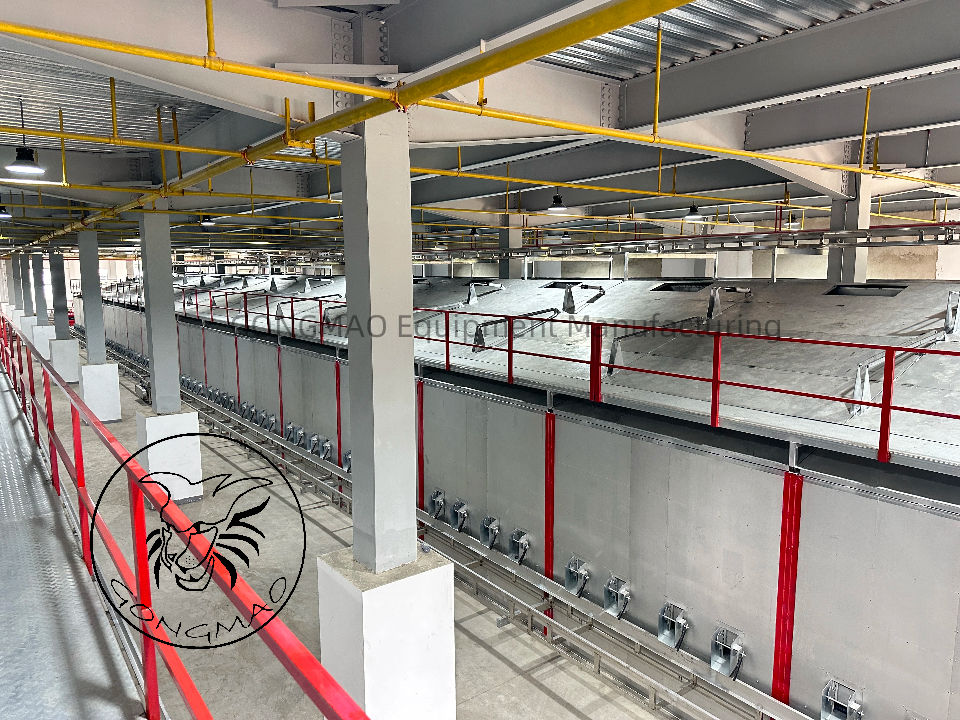
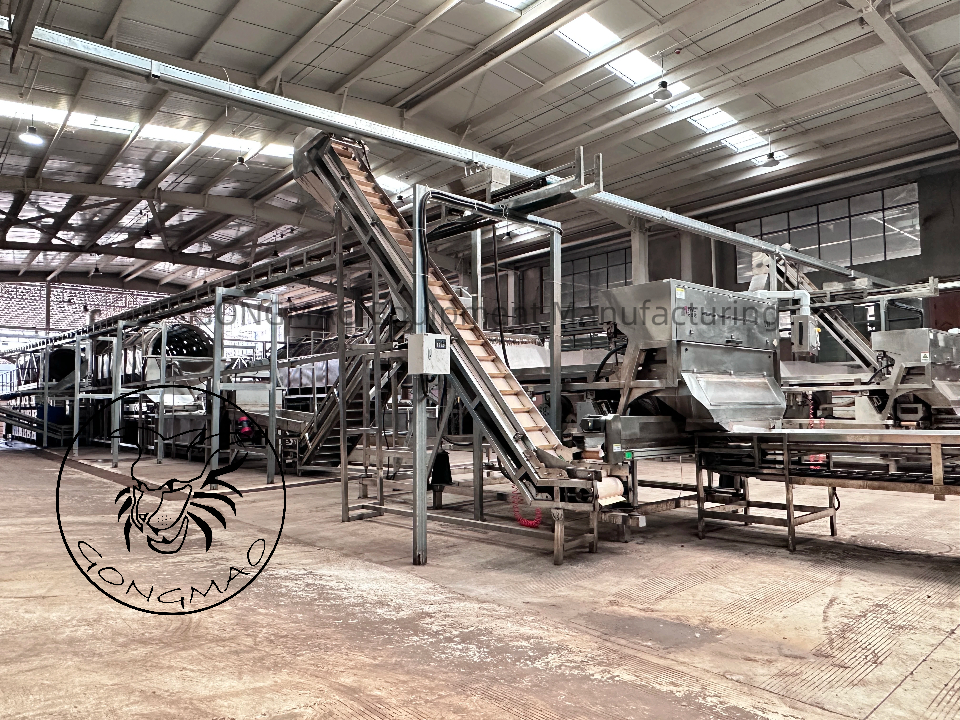
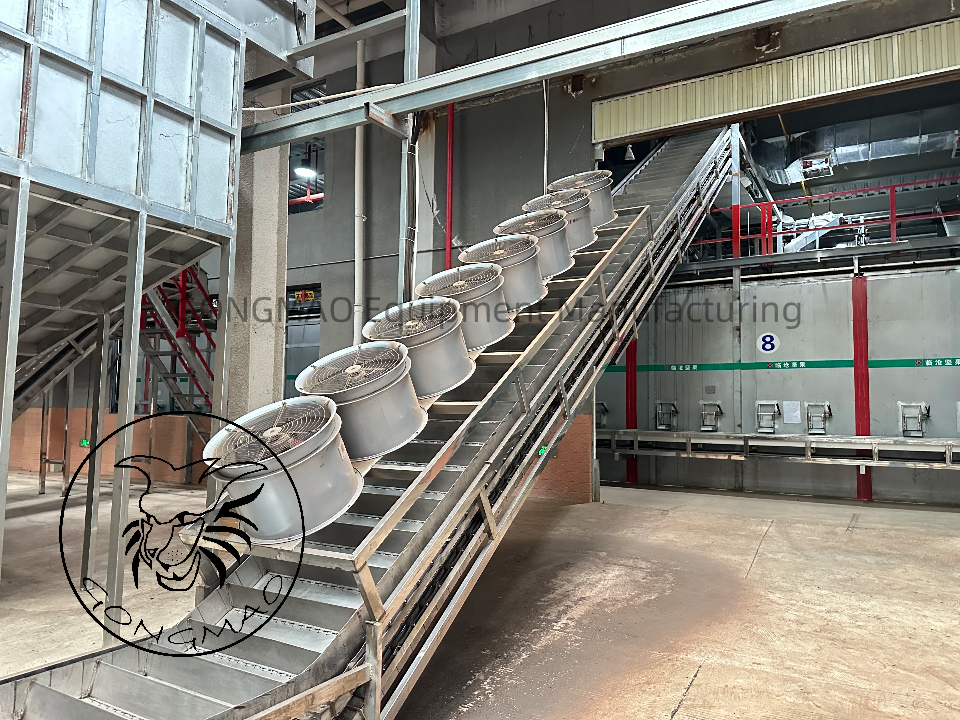
Many people think that a processing plant is just about finding a big factory building and putting the equipment inside. However, after actual operation, it's often found that the material flow is not smooth.We once encountered a client whose factory was spacious enough, but the design didn't consider the flow of material. As a result, walnuts that were peeled needed to be manually moved to another area for cracking, and the process even required passing through an open corridor. When the weather changed, production efficiency plummeted.
Recommendation:
Before building, first draw out the processing flowchart: Raw material intake → Peeling → Cracking → Separation → Drying → Grading → Packaging. The "connections" between each step are more important than the "size of the space". Ideally, the material should flow in a single direction, minimizing manual handling and secondary transportation.
2. Power and Energy: The "Invisible" Threshold
Walnut processing equipment generally requires 380V industrial electricity. Many clients only realize after renting the factory that the power capacity is insufficient.When we helped a client with a plan last year, his rented factory only had 220V residential electricity. Later, he had to specifically approach the power supply bureau for capacity expansion, which took almost a month and severely delayed the entire project schedule.
Recommendation:
Before signing the factory contract, confirm two things:
① Whether there is 380V industrial electricity;
② Whether the transformer capacity is sufficient. Based on experience, a complete walnut meat extraction production line (peeling + cracking + separation + grading) typically has a total equipment power consumption ranging from 80-150kW, and it can be higher with drying equipment added.
3. Water Source and Drainage: The Hidden Consumption of Green Skin Cracking
Many people think that water is only needed for washing, but the green skin cracking process also requires a substantial amount of water.The green skin of walnuts contains a lot of juice. If not handled properly during peeling, the juice can flow everywhere, affecting hygiene and even corroding the equipment. One of our clients, due to poor drainage planning during construction, faced a rectification order from the environmental protection department in the first month of production due to sewage issues.
Recommendation:
For the green skin peeling stage, choose dry peeling or a closed-loop water system to reduce wastewater discharge. If water must be used, plan the drainage ditch and sedimentation pool in advance, and aim for water recycling if possible.
4. Equipment Selection: Don't Just Look at Price, Look at "Compatibility"
This is the most common pitfall.We've seen many clients focus solely on the "unit price" when purchasing equipment, only to find that the equipment doesn't match the line: the cracking machine has a high output, but the grading sieve can't keep up, causing material to pile up at the front and idle at the back; or the peeling machine is fast, but the dryer capacity is small, requiring manual handling in between.
Recommendation:
The "bottleneck" of the entire line determines the final capacity. When selecting equipment, don't just look at the parameters of a single machine; calculate the entire line's compatibility. The ideal state is that the capacities of all processes are roughly consistent, or there is enough buffer space.When we design a plan for a client, we always run the entire line through a flowchart first, identify potential bottlenecks, and then make adjustments. This habit was formed when we helped an Australian client debug their production line—his cracking machine could handle 800kg per hour, but the downstream air separator could only handle 500kg, causing a two-week delay in the entire project.
5. Environmental Protection and Compliance: Don't Wait Until Production
Environmental requirements have become increasingly stringent in recent years, so it's best to understand local policies before building.Especially for the green skin residue generated in the peeling stage, the exhaust from the drying stage, and dust from the color sorting machine, all require appropriate treatment methods. Previously, a client had all the equipment on site, but the environmental impact assessment didn't pass, leading to over a month of rectification, delaying production and costing an additional tens of thousands of yuan.
Recommendation:
Before building, consult the local environmental protection department. Green skin residue can be contacted with local organic fertilizer factories for recycling. Exhaust from drying requires dust removal equipment, and it's best to use pulse dust removal for color sorting machines. These considerations should be incorporated into the planning stage.
Establishing a factory is a systematic project that involves site selection, electricity, water sources, equipment selection, and environmental compliance. Each step can impact final production efficiency and operating costs.
Our team has over a decade of experience in the nut processing industry, having planned production lines ranging from 5 tons to 50 tons per day for various clients. If you're in the process of planning a factory or are uncertain about certain aspects, feel free to reach out. We can assist you with:
✅ Free evaluation of existing plant conditions
✅Providing comprehensive line layout recommendations
✅Assisting in reviewing whether equipment selection matches your needs

Live Shot of Walnut Processing Whole Process | Automated Equipment Improves Efficiency and Quality
Global Walnut Processing Market: Trends, Opportunities, and the Path Forward